 WESolutions


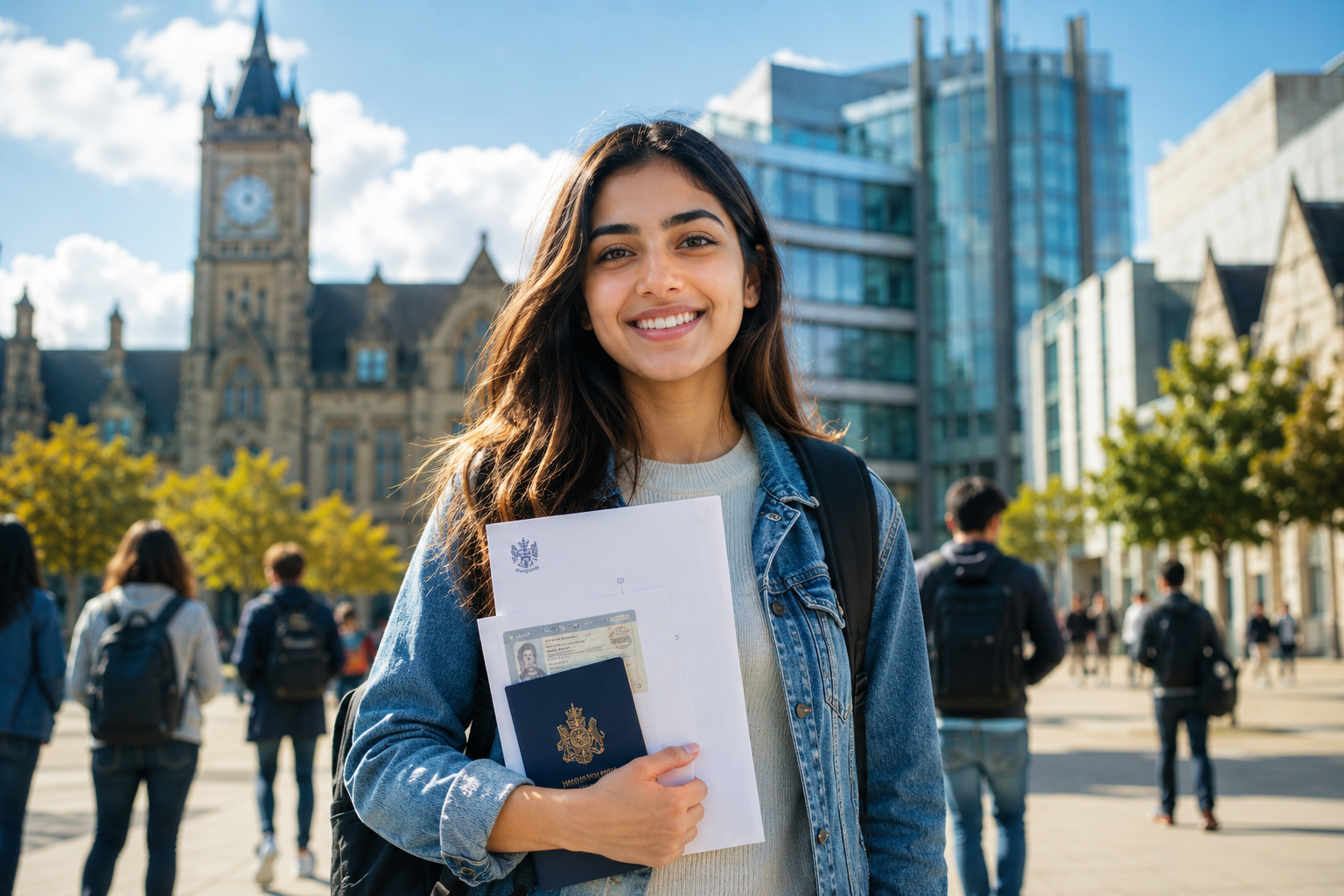
The UK is considered to be one of the world’s most popular destinations for higher studies, attracting hundreds of thousands of international students every year. The country offers excellent opportunities for education and career development in the form of globally recognised universities and courses.
If you are planning to study in the UK, understanding the student route visa rules is crucial before submitting an application. Immigration requirements have become more detailed in recent years, and even small mistakes can result in delays or refusals.
This guide explains the UK student visa requirements, eligibility criteria, application process, financial requirements, and the latest student visa guidelines to help you prepare your application with confidence.
According to the UK Government, more than 430,000 sponsored study visas were granted in the year ending June 2025, which shows how much demand there is for education opportunities in Britain. (gov.uk)
What is the Student Visa Route?
The student visa is the main immigration pathway for international students who wish to study in the UK for an extended period.
It replaced the former Tier 4 (General) Student Visa and allows eligible students to:
- Study at approved educational institutions
- Work in certain circumstances during studies
- Bring dependants in limited situations
- Progress to other immigration routes after graduation if eligible
The UK student visa applies to people aged 16+ who have secured a place with a licensed student sponsor.
You must receive an official Confirmation of Acceptance for Studies (CAS) before applying.
Who can apply for a UK student visa?
To qualify for a student visa, you must meet several eligibility conditions.
The main UK student visa requirements include:
- Being aged 16 or above.
- Receiving an unconditional offer from a licensed student sponsor.
- Obtaining a valid Confirmation of Acceptance for Studies (CAS).
- Demonstrating sufficient financial resources.
- Meeting English language requirements.
- Receiving parental consent if you are under 18.
You must also prove that your intention is genuine and that your primary purpose in coming to the UK is to study.
The Home Office refers to this as the Genuine Student requirement (gov.uk).
Student visa qualifications and course requirements
Not every course qualifies under the student route visa.
Your course must usually be one of the following:
- A full-time degree course
- A foundation programme for doctors or dentists
- An English language course at level B2 or above
- A full-time course leading to a recognised qualification
- A postgraduate course
You can find the details on qualified courses from here.
Your educational institution must also hold a Student Sponsor Licence issued by the Home Office. A full list of licensed sponsors can be found here: Register of Licensed Student Sponsors.
Before applying, always confirm that your chosen institution remains on the approved sponsor list.
Understanding the Confirmation of Acceptance for Studies (CAS)
The CAS is one of the most important documents in the entire student visa process.
Your university or college issues this electronic document once they have formally accepted you into a course.
The CAS includes:
- Your personal details
- Course information
- Tuition fees
- Sponsor licence number
- Start and end dates of your studies
You cannot apply for a UK student visa without a valid CAS reference number.
The CAS is valid for six months from the date it is issued.
Financial requirements under the student route visa
Meeting the financial requirements is one of the most common challenges for applicants.
The Home Office wants to ensure that the student applicant can support themselves during their studies without relying on public funds.
The amount you need depends on where and what you will study.
As of 2025, students generally need:
- £1,529 per month (for up to 9 months) for courses in London
- £1,171 per month (for up to 9 months) for courses outside London
You will also need enough money to pay your first year of tuition fees unless these have already been paid.
The funds must usually remain in your account for at least 28 consecutive days before the application date.
The official financial guidance is available here.
English language requirements
Another important part of the UK student visa requirements is proving your English language ability.
Most applicants must demonstrate proficiency through:
- IELTS
- Pearson Test of English
- Trinity College London examinations
- Other approved secure English language tests
The required level depends on your course.
Generally accepted levels are:
- Degree-level courses require B2 English.
- Courses below degree level usually require B1 English.
Certain nationalities and educational backgrounds are exempt from English language testing.
Always check with your educational institution before booking an exam.
Student visa guidelines for applicants under 18
Special rules apply to applicants under the age of 18, and they need to submit additional documents, including:
- Birth certificate
- Written consent from parents or guardians
- Evidence of living arrangements in the UK
- Contact details of guardians if applicable
The Home Office takes safeguarding requirements seriously when considering applications from minors.
How to apply for a UK student visa
The student visa application process generally follows these steps.
Step 1: Receive your CAS
Accept your course offer and obtain your Confirmation of Acceptance for Studies.
Step 2: Prepare your documents
Gather all required supporting evidence.
Step 3: Complete the online application
Applications are usually submitted through the UK Government website.
Step 4: Pay the fees
You must pay:
- Student visa application fee (£558)
- Immigration Health Surcharge (Depends on how long your visa lasts.)
Step 5: Book your biometrics appointment
You will need to provide:
- Fingerprints
- Photograph
- Supporting documents
Step 6: Wait for a decision
Most overseas student visa applications receive a decision within three weeks.
Documents required for a UK student visa
The documents you need may vary depending on your circumstances, but most applicants require:
- Valid passport
- Confirmation of Acceptance for Studies (CAS)
- Proof of funds to support yourself
- English language proficiency evidence
- a valid ATAS certificate if required
- Tuberculosis certificate if required
- Parental consent for applicants under 18
Some applicants may also need additional evidence depending on their nationality or educational history.
Providing clear and organised documentation can significantly reduce the risk of delays.
Can students work while studying?
The student route visa allows many international students to work during their studies.
Most degree-level students can work:
- Up to 20 hours per week during term time
- Full-time during vacations
Students in certain courses may have different working restrictions.
You should always check the conditions stated on your visa before accepting employment.
Bringing dependants under the student route
The rules around dependants have changed considerably.
Since January 2024, only certain postgraduate research students and government-sponsored students are generally permitted to bring family members under the student route visa.
Many taught master’s students can no longer bring dependents.
Switching from a student visa to another route
Many international graduates remain in the UK after completing their studies.
Possible options include:
- Graduate Visa
- Skilled Worker Visa
- Family Visa
- Global Talent Visa
The Graduate Route currently allows:
- Two years for undergraduate and master’s graduates.
- Three years for doctoral graduates.
Common reasons for student visa refusals
Some of the most common refusal reasons include:
- Incorrect financial evidence
- Missing documents
- Incomplete applications
- Invalid CAS
- Failure to meet English language requirements
- Concerns about genuine study intentions
Many refusals happen because applicants misunderstand the student visa guidelines. Taking time and professional help to prepare your documents carefully can make a significant difference.
How WESolutions can help
Studying in the UK can open doors to new qualifications, career progression, and future immigration opportunities.
At WESolutions, we help international applicants understand:
- UK student visa requirements
- Student visa qualifications
- Rules pertaining to funding
- Application documentation
- Visa pathways after graduation
Our team supports individuals through every stage of the process so they can focus on their studies and future goals rather than worrying about paperwork.
Final thoughts
The student route visa remains one of the most popular ways to come to the UK. However, the process is far more detailed than simply receiving a university offer.
Understanding the latest UK student visa requirements, preparing the correct documents, and following the official student visa guidelines can help you avoid unnecessary delays and improve your chances of success.
If you are considering studying in Britain, preparation is everything. A well-organised application gives you the best possible start to your educational journey.